
We’ve forgotten how to end things
We spend time preparing for beginnings. We prepare children for their first day at school. We celebrate birthdays, weddings and new jobs. We mark milestones with speeches, photographs and cake because we understand that beginnings matter.
Yet endings often pass unmarked.
A child leaves home. A friendship drifts apart. A parent dies. A marriage changes. Our body enters a new stage of life. A career that once defined us comes to an end. We move house, retire, or discover that the future we imagined is no longer the one unfolding before us.
Most of the time we carry on, telling ourselves that life goes on. And it does. But I wonder whether something important is lost when we rush past an ending without acknowledging how much it mattered.
One of the women I worked with told me recently about taking her youngest child to university. She’d looked forward to this day. She was excited for her daughter – proud of the young woman she had become. She was also looking forward to having a little more freedom herself.
A few days later she found herself standing in the supermarket, unexpectedly in tears. She didn’t understand why as she thought she felt proud and happy. Her tears weren’t because she wanted her daughter to come home. She was grieving because, for over twenty years, she had been somebody’s everyday mother. School runs, packed lunches, forgotten PE kits, last-minute lifts, conversations at bedtime. That chapter had ended.
Her love certainly hadn’t ended. Or her involvement, that carried on even though her daughter no longer lived at home. But her identity had changed.
We tell ourselves to look forward, to embrace the next chapter, to stay positive. But perhaps transitions become difficult because they ask two things of us at the same time. They ask us to let go of who we have been before we know who we are becoming.
Human beings don’t much like uncertainty. We like to know where we’re heading. We like to feel competent. We like to be sure of where we’re at. But life is full of thresholds, those places where one season has ended but the next hasn’t fully begun.
I’ve come to think that one of the greatest gifts we can give our children is not teaching them to avoid endings but teaching them how to experience a good one. And to take time to mark endings for ourselves too.
At the end of every Girls Journeying Together programme, the girls know one another well. They’ve spent a year meeting together every month. They’ve laughed until they cried. They’ve shared secrets they hadn’t told anyone else. They’ve navigated friendships, body changes, first periods, family difficulties and the uncertainty that comes with growing up.
Many of them will stay friends long after the group finishes. Some are still close years later. So, we could pretend nothing is ending. Instead, we do the opposite. We acknowledge that something precious has come to an end. We celebrate what they’ve shared. We remember how far they’ve travelled. We make space for gratitude and sadness to be alongside one another.
I sometimes think people confuse a good ending with a happy ending. They’re not the same thing. A good ending might include tears. It might include disappointment. It might include wishing something could continue. What makes it good is that we don’t pretend those feelings aren’t there. We recognise that something mattered enough for us to miss it.
I wonder how different adulthood might feel if we’d all learned how to make good endings…
How many of us carry unmarked endings? The end of fertility. The friendship that slowly disappeared. The career we thought we’d have forever. The version of ourselves we can no longer be.
Those endings don’t disappear because we ignore them. They tend to follow us, surfacing as restlessness, irritation or sadness that seems to come from nowhere. Perhaps instead it’s that something important has ended, and we’ve never stopped to be grateful for what it gave us and acknowledge that we miss it.
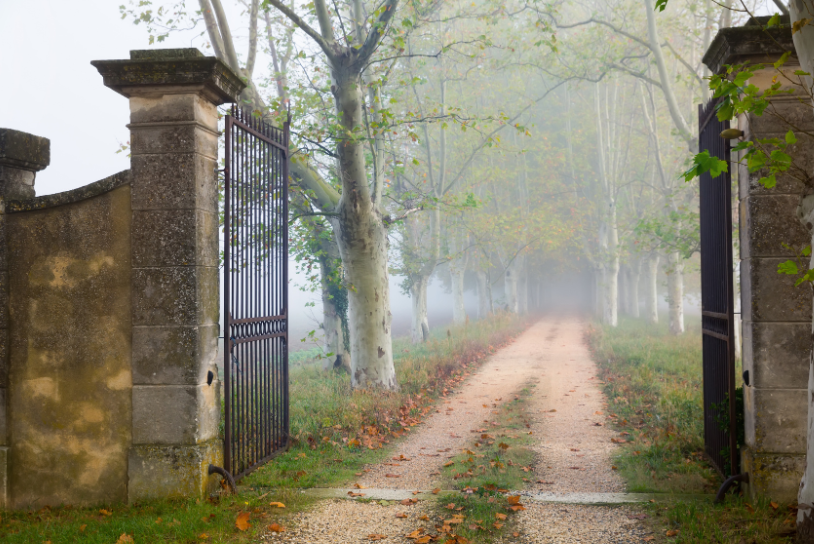
Thresholds are part of life. We will all find ourselves leaving people, places, identities and dreams behind as we move into whatever comes next.
I’ve been trying not to rush through those moments, even though the feelings are often uncomfortable.
I feel sure that as we become better at honouring endings, we’ll become a little less afraid of beginnings too.

No comment yet, add your voice below!