
Britain’s under-16 social media ban is a good start – but parents need to hear this too
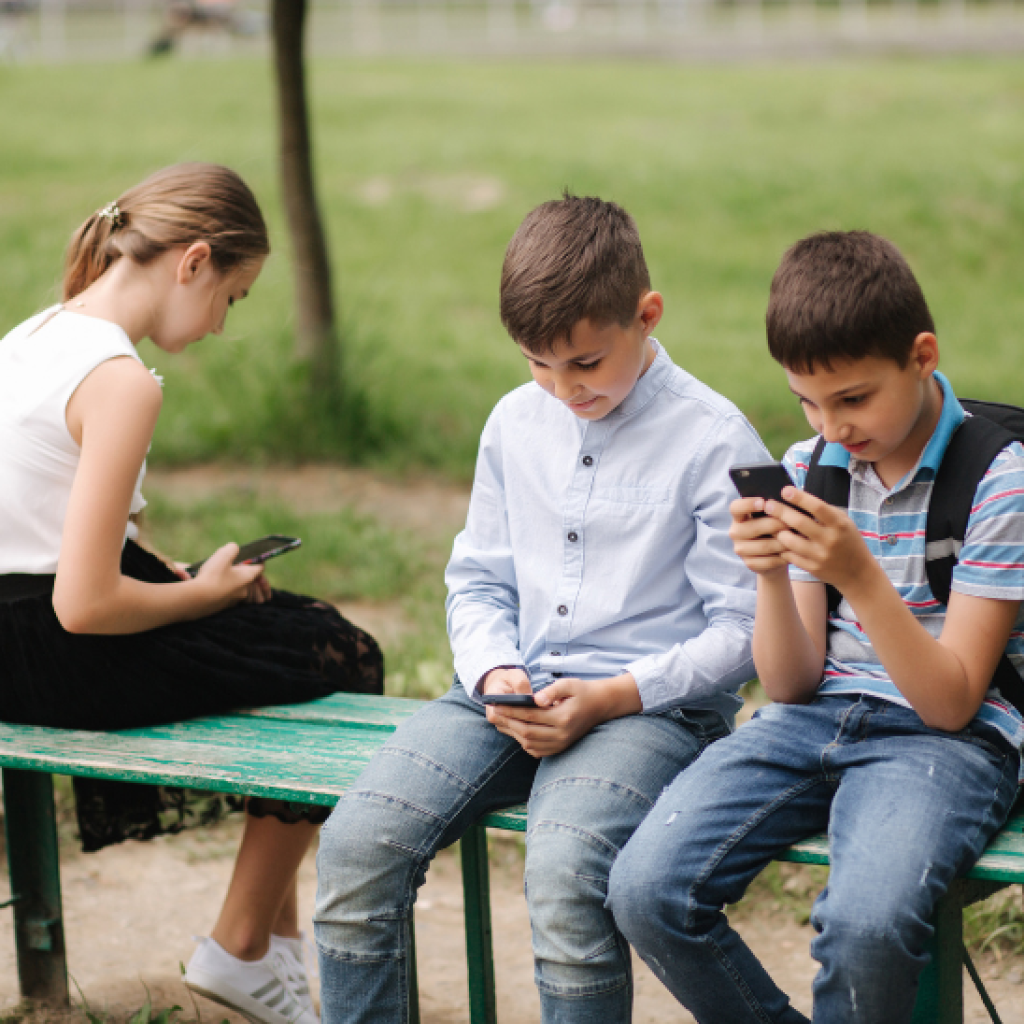
The UK Government’s recent announcements around restricting social media access for under-16s have sparked predictable outrage. Some adults think it is overdue. Others call it authoritarian, unrealistic or out of touch.
Personally, I think it is a good thing, not because I believe social media is inherently evil, and not because I think teenagers should be raised in some nostalgic fantasy world where technology disappears and children roam fields until dark. That world has gone. But I spend my life listening to children and parents, and increasingly what I hear feels less like normal adolescent struggle and more like nervous systems under siege.
- Children unable to switch off mentally because social life now follows them into bed.
- Girls who feel watched all the time.
- Boys disappearing into algorithmic worlds that become emotionally more compelling than real life.
- Children terrified of missing a group chat because exclusion no longer happens just in the playground. It arrives in your bedroom at 11pm.
- Parents trying to compete with billion-dollar corporations designed to keep children scrolling for as long as possible.
And I think many adults still underestimate what social media has become. We often speak about it as though it is simply a communication tool. For children it is now an environment. It shapes identity, status, belonging, body image, sexuality, conflict, humour, politics, attention span and self-worth. That is too much power.
I support the Government taking stronger action. In fact, I think we have all abdicated responsibility for too long. We have handed children devices and access to digital worlds we barely understand ourselves, then acted surprised when anxiety, sleep problems, loneliness and emotional overwhelm began escalating.
Australia’s recent move towards banning social media for under-16s is interesting because it shows both the promise and the limitations of legislation. Early responses suggest many parents feel relieved. Some schools report fewer friendship dramas and less social pressure among younger children. But there are also obvious challenges. Teenagers find workarounds. Some become more secretive online. Others feel cut off from communities and friendships that genuinely matter to them.
Banning social media is not the whole answer.
If we simply remove access without rebuilding real-world connection, many children will feel lonelier, not healthier. The problem is not only technological. It is cultural. Many children are online because that is where friendship now partly lives. It is where plans are made, identities explored and belonging negotiated. And if we are honest, many of us are struggling with compulsive screen use too. Children notice that. We cannot ask children to develop healthy relationships with technology while we sit beside them endlessly scrolling ourselves.
We must watch out for secretly hoping legislation will solve a problem when at the same time we must ask much more of ourselves too.
- Learn to tolerate our children being bored.
- To delay smartphones longer than feels socially comfortable.
- To survive the fact our child may occasionally feel left out.
- To create homes where conversation still exists.
- To teach children emotional resilience, not simply internet safety.
- To help them recognise manipulation, comparison, dopamine chasing and the strange emotional exhaustion that comes from performing your life online all the time.
And perhaps most importantly, it asks us to help children build lives that feel meaningful enough offline that they do not need to disappear entirely into digital ones.
I think many of us already know this deep down. We know something has been lost. We see children who struggle to sustain attention, tolerate discomfort or simply sit with themselves. We see childhood becoming increasingly performative, more watched, more evaluated, less free.
The Government stepping in matters because it signals that this is no longer simply an issue of individual parental failure or family preference. Society is beginning to recognise that unrestricted social media access may not be compatible with healthy childhood development.
But if we stop there, we will fail children again. It cannot become another version of adults saying, “There, problem solved,” while continuing to build family lives organised around speed, distraction and exhaustion.
Children do not just need fewer screens. They need more of us.
And perhaps the real question is not whether children are mature enough for social media. Perhaps it is whether we adults have been mature enough to protect childhood from it.


No comment yet, add your voice below!