
Domestic Abuse: It’s not just physical
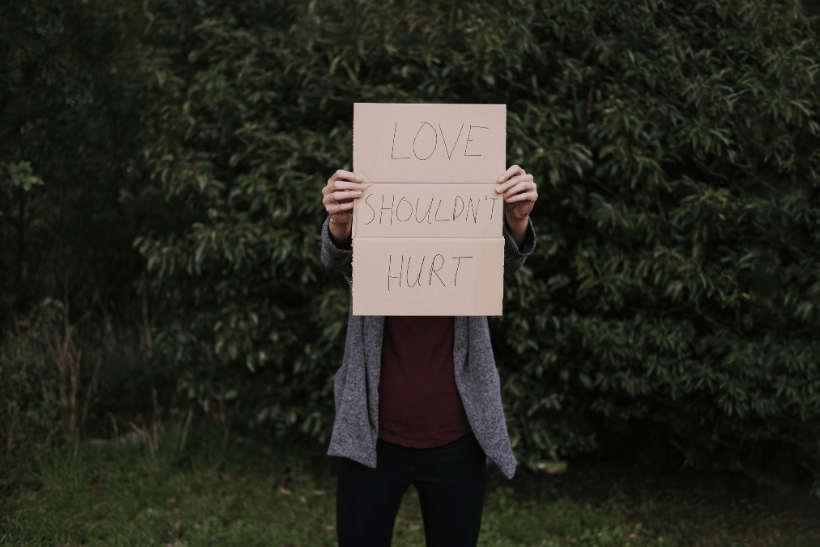
Please take care of yourself as you read; this post discusses domestic abuse.
October was Domestic Abuse Awareness Month. With one in three women in the UK experiencing domestic abuse, this is an issue we need to talk about openly and often. We also need to work collectively to prevent abuse and help young people build healthy relationships.
My own experience of domestic abuse was one of the reasons I came to do the work I do with Rites for Girls. I experienced domestic abuse in my first serious relationship. We were both just 15 when we started “going out,” though we had been friends throughout secondary school. We fell into that all-consuming teenage love and were inseparable. Looking back, I can see that the red flags were there from the beginning; I just didn’t recognise them.
He told me other girls were interested in him and that he was meeting up with them. He made small, negative comments about my looks and weight, put me down in front of other people, and compared me with slimmer girls. When I bought new clothes, he disapproved. He preferred me in his baggy T-shirts or oversized shirts – nothing tight or figure-hugging.
One day, while shopping with my mum, I tried on a lacy crop top with big, baggy trousers and braces. I felt great. He walked past the changing room, gave me a disapproving look, and shook his head. After he walked away, my mum put her head around the curtain, looked me in the eyes, and said fiercely, “BUY IT!” I did. I always felt rebellious in that outfit, but uneasy when he was with me.
I was an imperfect teenager. I was hormonal and emotional, cried a lot, felt jealous, and sometimes tested him, but I didn’t deserve the way he treated me. If I went out with my friends, he would sometimes ignore me for a whole week. If we had plans for a night out and found out an ex-boyfriend would be there too, he made me so uncomfortable that I chose to stay home. I never felt safe talking about my feelings, and he responded with frustration and contempt when I cried.
When we were 20, we went on a group holiday. I felt miserable for most of it. I didn’t know who I was, and I couldn’t be myself. When we got home, I plucked up the courage to end the relationship. What I didn’t know then was that the risk of serious harm can increase when someone tries to leave an abusive relationship. That was when the abuse became physical, in one of the scariest moments of my life.
I didn’t tell anyone. I went to work as usual. There were visible signs on my face, and I was close to tears all day, but I don’t remember anyone asking if I was okay. Like many women before me, I felt ashamed and pushed it down. I was shocked and disbelieving that someone who had once professed undying love could tell me they could end my life.
I never went back, but we were ‘friends’ and had an unhealthy dynamic between us for many years. He remained jealous and possessive when I entered new relationships. I wish I could say it never happened again; however, I experienced emotional abuse and threats of violence in two further relationships as an adult. Women and girls who have experienced domestic abuse may be at greater risk of experiencing abuse again. I had always said I would leave someone if they ever raised a hand to me. What I didn’t understand was that the behaviours leading up to physical violence were abusive too.
Worldwide, 25.8% of women aged 15–49, and 24.7% of women aged 15 and older who have been in a relationship, have experienced physical and/or sexual violence at least once from a current or former husband or male intimate partner. (WHO, 2023)
Adolescent girls are at particularly high risk of violence. More than one in five ever-married or partnered girls aged 15–19 have already experienced physical and/or sexual violence from an intimate partner. (WHO, 2023)
How do we learn to have healthy relationships?
Relationship education matters. In our Girls Journeying Together groups, we explore healthy relationships in an age-appropriate way. It starts with healthy friendships – our first relationships.
We talk about different behaviours: passive, assertive, manipulative, and aggressive. We practise assertive communication and name manipulative or controlling behaviours. This language gives girls a framework for recognising unhealthy dynamics.
In our group guidelines, we talk about being friendly and consider ways people can be unkind without using words – for example, ghosting, ignoring someone, or withholding affection. We help girls find their voice and their “No!” We give them autonomy in our groups: they never have to do or talk about anything they don’t want to.
Girls are often conditioned to smile and be polite. We encourage them to listen to their bodies, notice when something feels wrong, and ask for what they need to feel comfortable. We also encourage them to build relationships with trusted women – such as aunties, big sisters, their mum’s best friend, or mentors – people they can talk to about anything.
We hear a lot about red flags, but what about green flags? Can someone speak openly about their feelings and emotions? Do they follow through on what they say they’ll do?
With the rise of the manosphere, parents and educators have an important role in helping boys question unhealthy messages about women and girls. I have a son, and it can feel like a full-time job helping him make sense of the messages about girls that he encounters in our culture. Many TV programmes show unhealthy relationship dynamics, but they can also offer opportunities to talk together about respect, boundaries, consent, and what healthy relationships look like.
Children learn from what they see and hear. How adults communicate, handle disagreement, and respect one another’s boundaries can shape their understanding of relationships. Boys should be encouraged to recognise and express the full range of their emotions, including vulnerability, fear and sadness – but it’s also important to be clear that no emotion or past experience excuses controlling or abusive behaviour.
What can we do as parents and supportive adults to look out for signs of domestic abuse? Look out for changes in behaviour. What can seem like romance – wanting to be in contact 24/7, tracking locations, lots of attention and gifts – can turn into slowly pulling someone away from their support networks; this is coercive control. If your daughter is in a relationship and stops seeing her friends or doing usual activities, there may be a problem. Teens in abusive situations can become withdrawn, AND sometimes the deepest pain can hide behind the biggest smiles.
As parents and educators, we can help young people build the language, confidence, and support networks to recognise unhealthy behaviour and seek help. Let’s change the narrative for our young people. They deserve to experience loving, healthy relationships.
If you or anyone you know has been affected by this topic, you can find more support here:


No comment yet, add your voice below!