
The cult of resilience – and why our girls deserve better
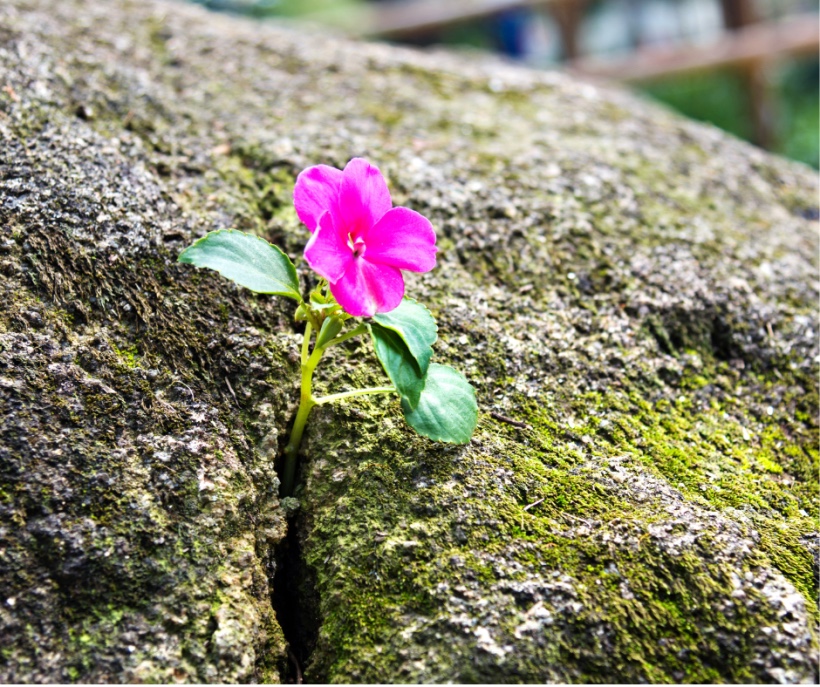
The Cult of Resilience – And Why Our Girls Deserve Better
We love to tell girls they’re “resilient.”
It sounds like a compliment – a badge of honour, even.
But lately I’ve been wondering whether “resilient” has become adult-code for something far less flattering:
“We’re not going to change the conditions hurting you.”
A girl who manages bullying on her own is called resilient.
A girl who keeps going despite body-shaming is praised for her strength.
A girl carrying the weight of perfectionism is applauded for her “grit.”
But surviving and thriving are not the same thing.
A girl can be resilient and still be lonely.
She can be resilient and still think her body is wrong.
She can be resilient and still be quietly crumbling inside.
Resilience, as it’s often taught, asks children to adapt to environments that should never have been allowed to hurt them in the first place. It encourages a kind of emotional athleticism – impressive from the outside, but exhausting on the inside.
What if resilience isn’t the superpower we think it is?
What if our girls don’t need more “bounce-back,” but fewer things to bounce back from?
Sometimes “being resilient” sounds suspiciously like: “Don’t be inconvenient.”
And our daughters deserve far, far better than that.
The Trouble with the Resilience Myth
Resilience is meant to protect children. But overused, it can do the opposite. It can silence them.
Girls learn very early:
- Don’t make a fuss.
- Don’t be dramatic.
- Don’t upset anyone.
- Just cope.
- Be good.
- Be nice.
- Be understanding.
- Be resilient.
The message gets internalised: Your discomfort is your responsibility.
But real strength is not about “toughing it out.”
It’s about knowing – and naming – when something is not okay.
And trusting that the people around you will listen.
What Girls Actually Need
Girls don’t need more pressure to cope.
They need adults who will help shoulder the load and change what’s harming them.
They need:
- Circle spaces where honesty is safe
- Adults who model emotional courage
- Peers who value kindness over competition
- Mothers who honour their own boundaries
- Communities willing to say, “This isn’t good enough”
They need us – not as cheerleaders shouting “You can do it!” from the sidelines – but as people willing to step onto the pitch and help change the rules of the game.
Our Girls Journeying Together groups offer exactly these things. Girls’ Net too.
And, What Can Parents Do?
Here are practical, real-world things that move the needle – things our girls feel, not just hear.
- Show her that boundaries are not optional extras
Instead of: “Just ignore her.”
Try: “That wasn’t okay. How can I help you respond differently next time?”
Boundary-setting is resilience’s wiser, older sister.
Do this today:
Ask your daughter, “What’s one thing recently that didn’t feel okay?”
Then – crucially – believe her.
- De-normalise the things that hurt girls
When a girl says, “Everyone teases like that,” it’s easy to nod along.
But we can say:“It may be common, but that doesn’t mean it’s healthy.”
We can help her see the difference between normalised and acceptable.
Do this today:
Point out one example – online, on TV, at school – where girls are expected to tolerate something unfair.
Name it gently.
Girls need adults who see what’s going on.
- Create small oases of slowness
Girls today live in the fast lane by default.
One way to protect her is to bring her out of the noise.
Not a lecture. Not a “Let’s talk about your feelings.”
Just a pocket of calm: drawing, sitting by water, baking, lying on the floor staring at the ceiling together.
Slowness is radical.
And it’s restorative.
Do this today:
Invite her for a “10-minute pause” together – no agenda, no talking required.
- Give her a script for speaking up (because bravery needs words)
Girls often know something is wrong, but freeze when required to challenge it.
Offer simple, non-confrontational scripts like:
- “I don’t like that.”
- “Please stop.”
- “That didn’t feel good.”
- “I’m not joining in with this.”
Resilience isn’t silence.
It’s skill.
Do this today:
Practise one line together in a silly voice, so it becomes muscle memory rather than pressure.
- Let her witness you saying “no”
Children learn boundaries by watching ours.
If we want daughters who speak their truth, they need to see us say:
- “That’s not going to work for me.”
- “I need a moment.”
- “Please don’t talk to me like that.”
When mothers honour themselves, girls learn it’s possible.
Do this today:
Say one small “no” in her presence – kindly, confidently, without apology.
- Build her community, not her grit
Girls don’t become stronger by being left to sink or swim.
They grow resilient by being held.
For many girls, their Girls Journeying Together group becomes the first place where it’s safe to be entirely themselves.
Not perfect.
Not performing.
Just human.
Community doesn’t make you bounce back;
it makes you not fall so far in the first place.
Do this today:
Help her connect with one girl she feels good around – not the “cool” one, the kind one.
In the End: Resilience Is Not the Goal – Belonging Is
If we keep praising girls for being endlessly adaptable, they’ll keep twisting themselves to fit environments that should have changed long ago.
What if, instead of applauding them for coping, we listened when coping wasn’t enough?
What if we taught them that strength isn’t staying silent –
it’s speaking up, reaching out, and believing that things can be different?
Girls don’t need to be resilient.
They need to be supported.
They need to be believed.
They need to be surrounded by adults who will help make their world a little less hostile.
And when we do that, the resilience that emerges isn’t forced –
it’s natural, healthy, and grounded in belonging.




No comment yet, add your voice below!