
If We Ban Social Media for Children, What Are We Actually Going to Protect?
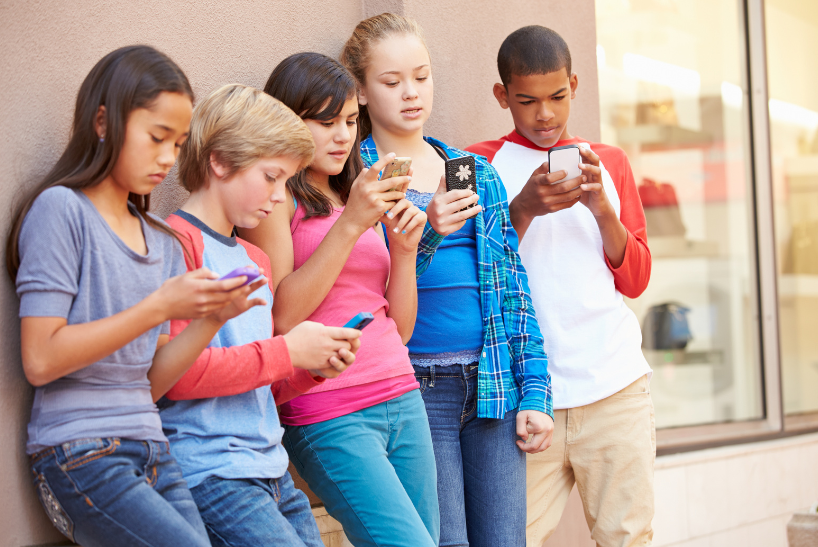
Australia has just raised the minimum age for social media access to 16.
Parents are divided.
Teenagers are furious.
The UK is watching closely and asking the question: should we ban social media for children too – will this actually help?
We are running a vast, uncontrolled experiment on young nervous systems. We are handing children devices designed to capture attention, amplify comparison, and monetise insecurity, then acting surprised when we see rising anxiety, panic, sleep deprivation, self-harm, eating distress, loneliness and relentless comparison. We are watching young nervous systems being asked to process adult material, algorithmic pressure and social performance 24 hours a day. And we are watching children trying to grow up inside a digital economy that profits from keeping them unsettled, stimulated and hooked.
Of course people are calling for a line to be drawn. Of course they are saying, this is too much, too soon.
So yes, putting a legal boundary in place makes sense. It is a form of protection. It says: there is something here that is powerful, and children deserve more time before they are exposed to it.
But here is the uncomfortable truth: A ban on its own is not a solution. It is a delay. And delays can be dangerous if we mistake them for change.
Because unless we radically shift what happens next, all we are doing is moving the moment of impact from age 12 to age 16. The same algorithms. The same body image pressure. The same dopamine loops. The same emotional hijacking. Just four years later.
And that raises a much more important question: Are we trying to protect children, or are we just trying to quieten our fear?
If we do not use the space a ban creates to teach, to prepare, and to demand better from the platforms themselves, we are not actually solving the problem. We are simply postponing it.
And postponed harm has a habit of returning with interest.
So, the real question is not just when children go online, but what kind of online world they are entering.
What a ban gets right
There are real, solid reasons in favour of a social media ban for our young.
Children’s brains and nervous systems are still developing. Dopamine loops, social comparison and constant alertness shape how a young brain wires itself. Short-form content in particular floods the system with novelty and micro-rewards that make stillness, boredom and deep attention harder and harder to access.
Girls tell me they feel “wired and tired”. They scroll because they are anxious, then feel more anxious because they scroll. It is not a failure of willpower. It is how these platforms are designed.
So yes, giving young people more time before they enter that world could reduce harm. It could protect sleep, self-image and mental health at a critical stage.
But here is the question we are not asking loudly enough.
What happens when they do go online?
Because they will.
We are delaying the crash, not preventing it
Sixteen is not a magic age. Neither is eighteen. Young adults are still forming identity, still sensitive to peer approval, still learning to regulate their emotions. If we simply push access back without changing anything else, we are handing them the same digital jungle later, with no better map.
That is why education and emotional literacy have to be part of this conversation.
We need to teach young people how social media actually works. How algorithms push outrage and beauty and extremes. How influencers make money. How images are edited. How attention is harvested.
And we need to teach them how their body responds to it. What it feels like when your nervous system is being hijacked. How to notice when scrolling is making you smaller, more anxious or more numb. How to choose to step away without shame.
That is not about restriction. It is about agency.
The bit no one wants to talk about
And then there is the part that is usually missing.
The platforms themselves.
We cannot ask children, teenagers and parents to be the only line of defence while companies make billions designing products that exploit vulnerability. Infinite scroll, streaks, algorithmic amplification of extreme content, sexualised imagery, emotional bait. None of this is accidental.
If the UK is serious about protecting children, it has to regulate platforms and change the financial incentives. Reward design that supports wellbeing, not addiction. Penalise design that damages mental health.
Otherwise we are just telling families to swim harder in a rising tide.
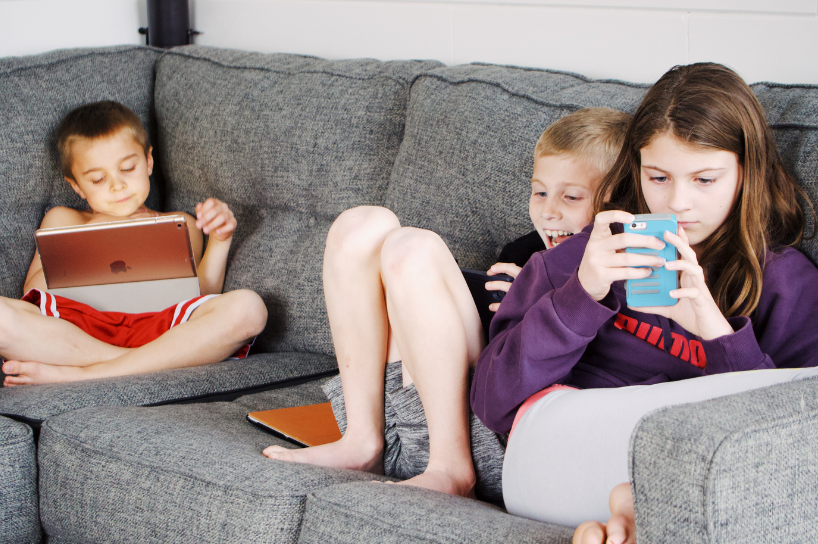
What parents, schools and government can do
If a ban becomes law, a whole generation of children and young people will be asked to stop something that for many of them is woven into their daily emotional life. Not just entertainment, but connection, identity, reassurance, distraction, belonging. Taking it away will not feel neutral to them. For some it will feel like relief. For others it will feel like a terrifying loss.
So, what will they need?
First, they will need their feelings to be taken seriously.
Some children will be angry. Some will feel cut off. Some will feel panicky or empty. Some will secretly feel calmer but not want to admit it. None of that means the ban is wrong. It means they are human. If we dismiss or minimise their reactions, we push them into secrecy or rebellion. If we stay curious, we keep the relationship open.
Second, they will need help finding other ways to regulate themselves.
Many children use social media to soothe themselves, to escape, to manage anxiety or loneliness. If that tool is suddenly removed, they will need alternatives. That might be movement, music, gaming with friends in person, being outdoors, drawing, building things, or just being bored without being shamed for it. We cannot take something away without helping them build something else.
Third, they will need more real connection, not less.
Online spaces often fill a gap when children feel lonely, awkward or misunderstood in the real world. A ban will only help if we also invest in community, youth spaces, clubs, mentoring and places where young people can belong without performing. Otherwise, we are leaving a hole.
Fourth, they will need honest conversations about why.
Not “because it’s bad” or “because the government says so”, but real explanations about how their brains work, how companies make money, and why their wellbeing matters. Children can handle complexity. What they cannot handle is being patronised.
And finally, they will need to know that this is not forever.
A ban is a boundary, not a rejection. We are not saying “you are incapable”. We are saying “this world is powerful and we want you to meet it with strength, not vulnerability”. That distinction matters.
If we get this right, a ban could become a doorway into something better.
If we get it wrong, it will simply become another battleground between adults and young people.
And what our children need most of all is not another battleground, but adults who are willing to walk with them through change, discomfort and growth. They also need authorities who understand that raising the age is only the beginning, not the solution.
If government is going to restrict access, it must also invest in what comes alongside it: education that teaches young people how to navigate digital spaces, regulation that holds platforms accountable, and the creation of a healthier online world for when our children do eventually step into it. A ban without systemic change is like closing the gate while the fire still burns.
Our children deserve more than a delay in harm. They deserve a digital world that supports their humanity, not erodes it.


No comment yet, add your voice below!